


Shangrao Jiangxin Boiler Co., Ltd. is located in Shangrao Economic and Technological Development Zone, the company covers an area of 85,000 square meters, the total construction area of 110,000 square meters, the existing staff of 300 people, including R & D design personnel 26 people, is a set of boiler design, manufacturing, processing, sales, installation and service as one of the professional boiler manufacturing enterprises with B-class boiler manufacturing qualifications. The company mainly manufactures, processes and sells boiler, steam generator and other series products; At present, there are five boiler series such as burning biomass boiler, oil boiler, gas boiler, electric heating steam generator, organic heat carrier furnace, more than 100 kinds of steam equipment, used in catering, hotels, cantons, bathing, food manufacturing, factories, etc., to meet the needs of various industries for steam supply, steam boiler series products have environmental protection, energy saving, high efficiency and other characteristics.
Why Choose Us
High Quality
More than 100 kinds of steam equipment, used in catering, hotels, cantons, bathing, food manufacturing, factories, etc.
Best Service
Shangrao Jiangxin Boiler Co., Ltd. is located in Shangrao Economic and Technological Development Zone, the company covers an area of 85,000 square m
24H Online Service
At present, there are five boiler series such as burning biomass boiler, oil boiler, gas boiler, electric heating steam generator, organic heat carrier furnace.
Professional Team
The company mainly manufactures, processes and sells boiler, steam generator and other series products.
Rich Experience
Including R & D design personnel 26 people, is a set of boiler design, manufacturing, processing, sales.
Quality Control
Have environmental protection, energy saving, high efficiency and other characteristics.

The commercial steam generator is an efficient, safe and environmentally friendly thermal energy device designed for commercial use to quickly produce large amounts of steam, which is widely used in catering, dry cleaning, clothing and other industries.

Heat Recovery Steam Generators
The heat recovery steam generator recycles heat and to improve thermal efficiency and reduce consumption.

The wall-hung gas boiler is a type of boiler that is mounted on the wall and uses natural gas as its primary fuel source to provide central heating and hot water.

A natural gas steam generator is a type of steam equipment that uses natural gas as its primary fuel, which generates heat by burning natural gas and heating water to boiling to produce steam.

A wood steam generator is a type of heating system that uses wood as fuel to produce steam. The generated steam can then be used for various purposes such as heating buildings, or driving industrial processes.

Semi-Automatic Steam Generator
The semi-automatic steam generator is an advanced device designed for applications that require a reliable and consistent supply of steam with minimal operator intervention.

Commercial Steam Car Wash Machine
Commercial steam car washing machine is a kind of equipment that uses high temperature steam for car cleaning, which decomposes and removes dirt and oil stains on the surface of the vehicle by producing high temperature and high pressure steam.

The lab steam generator is an essential piece of equipment in scientific and industrial settings.

The Mini Steam Generator is a meticulously designed small-scale steam generator that combines outstanding performance with convenient portability.
After the fuel oil is sprayed into the furnace through the burner, it is in the form of mist droplets, which can easily mix with air and burn rapidly and release heat rapidly. Compared with coal-fired boilers with the same parameters and capacity, the thermal intensity of its furnace volume can be increased by about one-fold. However, in order to reduce the heat load of the burner area and prevent the water-cooled wall tubes in this area from overheating, the furnace volume is only reduced by about 1/3. In addition, because the ash content in the fuel oil is very low, it will not slag on the convection heating surface, so the flue gas temperature at the furnace outlet can be as high as 1300-1350℃, and the pitch between the convection heating surface tubes can be reduced to increase the flue gas flow rate, thereby increasing the heat transfer coefficient of the heating surface and saving the heating area and steel. In order to prevent the accumulation of carbon black oil scale on the economizer and air preheater and cause spontaneous combustion, steam soot blowers are generally installed on these components to keep the heating surface clean.
Heating oil systems last longer
The average life expectancy of an oil burner boiler is 30 or more years if properly maintained. This minimizes the number of times you will need to spend money on a replacement system.
Heating oil is reliable and safe
With oil heat, there is no risk of carbon monoxide leaks or explosions. Plus, oil only combusts inside your furnace and can be stored for long periods of time on your property. Heating oil also offers you a choice of many suppliers, whereas gas heat only gives you one option. This allows you to choose a company that you can trust to provide you with quick deliveries at fair prices.
Heating oil bills are measurable
Whereas gas is measured in BTUs or "therms" and can be hard to understand, your oil usage is easy to measure in simple terms: gallons and price per gallon. Plus, gas bills often contain "mystery" costs such as gas adjustments and warm weather adjustments.
Heating oil provides better hot water supply
Hot water recovery rates of an oil-fueled water heater are twice as fast as a natural gas water heater and three times as fast as an electric water heater. While an oil-fired water heater has a higher upfront cost than other types of water heaters, it will cost less to operate over time with virtually unlimited amounts of hot water.
Type of Oil Burner Boiler

Oil Combi Boiler
Around 50% of new oil boiler installs are combi boilers. They are nice and compact plus there is no need for a cylinder as water is taken directly from the mains.
Therefore, with an oil combi boiler you can take advantage of heating and hot water on demand, there compact design means some can even fit within a standard kitchen cupboard which is great if you would like to free up space within your home.
Oil System Boiler
Oil system boilers are also a popular choice, like the gas system boiler the main boiler components are within the boiler meaning you do not need water tanks. You will still need a hot water cylinder which stores hot water for when you need it. This means that you can take advantage of instant hot water, however if the tank has run low you may need to wait for the water to re fill and heat back up.
Regular Oil Boiler / Conventional Oil Boiler
Regular oil boilers are commonly found in larger properties, or older properties that may not have a high flow pressure from the mains water. They can also be popular with modern homes which have a large amount of bedrooms and bathrooms where the demand for hot water in high.
How Does the Oil Burner Boiler in Work?
Hot water oil heating system
If you have radiators, you have a hot water heater system - Rither a standard hot water system or a steam system. Oil-fired boilers work by burning oil to heat up water, which then circulates through the radiators to provide heat throughout the house.
Hot steam oil heating system
If you have a boiler, you have a steam oil heating system. This heating system is also water-based, but your oil is used as fuel to boil the water into steam, which then passes through pipes and heats the home through your radiators.
Warm air oil heating system
An air heating system works a little differently, with a hot air furnace. In this type of oil heating system, your oil fuels the heating of air in the furnace rather than water. It works in concert with a blower to force that heated air through the ducts and out of the vents of your home. A return duct sucks the air back in to keep the heating cycle going.
A Guide to Gas and Oil Boilers
Residential and light commercial boilers serve as an alternative to forced air furnaces and heat pumps. Boiler heating systems require a distribution network that is installed during the construction phase of the project. Heated water is pumped through a piping grid, and thermal energy is released into the various rooms of the building during the recirculation process.
Radiant Heat Generation
Most radiant heating systems use a boiler to heat water or a special liquid antifreeze. Older boilers used steam as a transfer mechanism, but steam generators were very noisy and inefficient. Unfortunately, older piping systems were not made to carry liquid, and the cost of re-piping an entire building can be cost prohibitive. While steam boilers are no longer utilized in new construction, later models offer better comfort, improved efficiency and lower noise levels.
Gas Boilers
Gas boilers are popular because of their simplicity and economical operation. Most residential neighborhoods have a natural gas infrastructure available to the surrounding offices and homes. The operating principles for gas and oil boilers are similar, but the design of the combustion chamber is less complex in a gas model.
When the thermostat is triggered, a valve in the boiler opens, and natural gas flows into the combustion chamber. An electronic ignition system ignites the gas, and the heat exchanger transfers the thermal heat energy to the water, which is circulated through the radiant heating coils or piping network.
Oil Boilers
In an oil hot water boiler, a pump draws heating oil from a storage tank and forces it through a fuel line. The oil enters a specially designed nozzle, and the pressure creates a fine mist that is sprayed into the combustion chamber. The atomized oil is mixed with air, and a spark from the ignition system ignites the resulting vapor. The hot gas flows through a series of tubes inside the heat exchanger, and the energy is transferred to another set of tubes containing water. When the thermostat engages, the heated water is circulated through pipes or coils and returns to the boiler to be reheated. The water continues to circulate until the interior of the building reaches the desired temperature.
Condensing Boilers
Condensing boilers provide the ultimate in efficient operation since they recover a portion of the energy that is usually lost during the venting process. A condensing boiler incorporates a second heat exchanger that extracts latent heat from the waste gas. Water vapor produced during the combustion stage is condensed back into a liquid and drained from the system. Condensing boilers are offered in efficiencies up to 98 percent.
The Main Components Of Oil Burner Boiler
Burner
One of the most important parts of oil burner boiler is the burner. This is where the mixing of the air with the fuel source happens, resulting in the combustion which provides the necessary heat to heat up the fluid.
The way this particular component operates is that thermostats will send messages to the burner electronically when the system needs to produce heat. And then, fuel will pump, by a filter mechanism, to the boiler from an outside source - Usually an adjacent fuel tank. A nozzle on the burner turns this fuel into a fine spray and ignites it, which creates the reaction in the combustion chamber.
Combustion Chamber
As the name suggests, a combustion chamber is the part of oil burner boiler in which the fuel/air mix burns. For this reason, the combustion chamber is usually cast iron, and the temperatures inside will rise to several hundred degrees. This process usually occurs in a very short amount of time. After the combustion, the heat generated in this chamber transfers to the boiler's heat exchanger.
Heat Exchanger
A heat exchanger is a component of oil burner boiler that allows heat to be exchanged between two fluids or substances, usually water and gas, without letting the substances mix together. The heat exchanger of boiler allows the heat from the burner to heat the water in system. The job of the heat exchanger is to carry the heat from the burner to the water without having direct contact with the water. It's a similar idea to boiling water in a pot.
The heat exchanger transfers the heat produced by the burners within the combustion chamber to the water in the boiler. Heat exchangers can be made up of a variety of elements, including bundles of steel tubes, cast iron or copper lines. The elements need to be made of very sturdy material that is able to withstand high temperatures, last a long time and transfer heat efficiently. The process begins with hot gas and cold water, but because of the heat exchanger, the process ends with cooler gas and hotter water.
How to Maintain Oil Burner Boiler
Efficiency
Oil burning boilers produce heat by pumping fuel oil mist through a nozzle, igniting flames through ignition electrodes. Burner blowers and ducts distribute the hot air produced by this ignition to heat your home.
Dust and debris buildup can reduce your boiler's efficiency and make it very unsafe to use. However, the specifics of each boiler vary depending on the make and model.Cleaning oil-burning boilers don't have to be a hassle; You can perform some basic cleaning procedures and seek professional help for more complex ones.
Reduced Cleaning Costs
After the recommended cleaning time, cleaning your burner could cost more and take more time. However, cleaning it every year could take at least an hour or less. After all, oil burner cleaning is a simple routine that saves you money, headache and might help you avoid a possible breakdown.
Our Factory
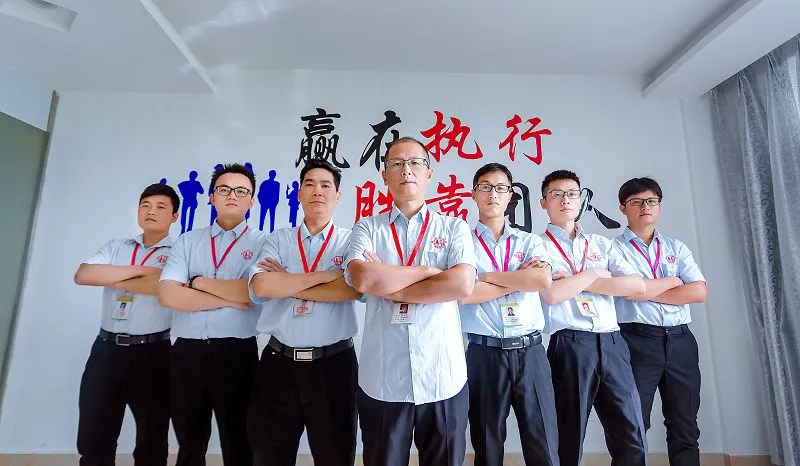
Shangrao Jiangxin Boiler Co., Ltd. is located in Shangrao Economic and Technological Development Zone, the company covers an area of 85,000 square meters, the total construction area of 110,000 square meters, the existing staff of 300 people, including R & D design personnel 26 people, is a set of boiler design, manufacturing, processing, sales, installation and service as one of the professional boiler manufacturing enterprises with B-class boiler manufacturing qualifications.
FAQ
Hot Tags: oil burner boiler, China oil burner boiler manufacturers, suppliers, factory, oil steam boiler installation, water level indicator for oil steam boiler, steam pipe for oil steam boiler, pressure control of oil steam boiler, oil steam boiler equipment, application of oil steam boiler


