


Shangrao Jiangxin Boiler Co., Ltd. is located in Shangrao Economic and Technological Development Zone, the company covers an area of 85,000 square meters, the total construction area of 110,000 square meters, the existing staff of 300 people, including R & D design personnel 26 people, is a set of boiler design, manufacturing, processing, sales, installation and service as one of the professional boiler manufacturing enterprises with B-class boiler manufacturing qualifications. The company mainly manufactures, processes and sells boiler, steam generator and other series products; At present, there are five boiler series such as burning biomass boiler, oil boiler, gas boiler, electric heating steam generator, organic heat carrier furnace, more than 100 kinds of steam equipment, used in catering, hotels, cantons, bathing, food manufacturing, factories, etc., to meet the needs of various industries for steam supply, steam boiler series products have environmental protection, energy saving, high efficiency and other characteristics.
Why Choose Us
High Quality
More than 100 kinds of steam equipment, used in catering, hotels, cantons, bathing, food manufacturing, factories, etc.
Best Service
Shangrao Jiangxin Boiler Co., Ltd. is located in Shangrao Economic and Technological Development Zone, the company covers an area of 85,000 square m
24H Online Service
At present, there are five boiler series such as burning biomass boiler, oil boiler, gas boiler, electric heating steam generator, organic heat carrier furnace.
Professional Team
The company mainly manufactures, processes and sells boiler, steam generator and other series products.
Rich Experience
Including R & D design personnel 26 people, is a set of boiler design, manufacturing, processing, sales.
Quality Control
Have environmental protection, energy saving, high efficiency and other characteristics.
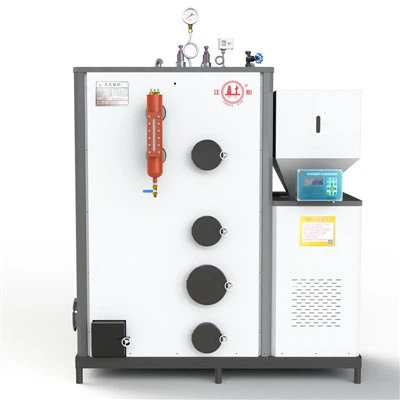


The boiler is the white metal unit usually found in the kitchen, although it can be in any room of the house, outside in an outhouse/garage or in the garden. It is the most important part of a central heating system as it produces the heat. Essentially, it is a small furnace which uses gas, oil or LPG to fuel its operation.
Boilers act as a central heating system for your home and provide radiant heat. This means that they don’t directly heat the air, but instead they warm objects like the radiator. Then that heat from the radiator flows through the room.
Benefits of Boiler
Use less energy
Boilers tend to cost more to install upfront than furnaces, but they also cost less to run over time. This is because water is more effective at transferring heat than air, so boilers provide heat much more efficiently. This can mean hundreds of dollars in savings when you change from a forced-air heating system to a boiler system.
Last longer
Boilers are constructed with far fewer moving parts than furnaces or heat pumps. Forced-air systems have multiple motors and a blower fan in order to work, while the only major mechanical moving part on a boiler is the circulator pump. The lower number of mechanical parts means boilers undergo less stress as they work.
Have easier maintenance and fewer repairs
The low number of moving parts helps boilers in another fashion: it takes less to keep them maintained, and they will encounter few repair issues compared to other systems. As long as boilers receive annual inspections and tune-ups, they should be relatively trouble-free for most of their services lives.
Offer an even spread of heat
One of the flaws with forced-air heaters is that they tend to blow out heated air that simply gathers at the top of a room. It can take a long time for enough hot air to accumulate before it spreads out through a whole space for full comfort. The radiant heat coming from boiler systems, however, moves evenly through a space. There are fewer cold spots, and rooms heat up much faster.
Type Of Boiler
Electric Boilers
These boilers use electricity to generate heat and are a popular option for those who don’t have access to a natural gas supply. They are efficient, compact, and easy to install, making them suitable for small spaces.
Natural Gas Boilers
Natural gas boilers are the most commonly used type of boiler. They burn natural gas to produce heat, making them cost-effective and environmentally friendly. They are known for their efficiency and reliability.
Steam Boilers
Steam boilers use water to generate steam, which is then circulated to provide heat. They are commonly used in industrial settings and are known for their high heating capacity. Steam boilers require careful monitoring and maintenance to ensure optimal performance.
Condensing Boilers
Condensing boilers are highly efficient and utilize heat from exhaust gases to preheat cold water entering the boiler. This results in lower energy consumption and reduced fuel costs. They are ideal for those looking for energy-efficient heating solutions.
Hot Water Boilers
Hot water boilers heat water and distribute it throughout a building to provide heating and hot water. They are commonly used in larger residential and commercial buildings and can be fueled by natural gas, oil, or electricity.
Oil Fired Boilers
Oil boilers burn heating oil to generate heat. They are commonly used in areas without access to natural gas and are known for their reliability and extremely energy efficiency.
Working of the Boiler
Step 1: Loading and Igniting the Fuel Item:
First of all, the fuel is inserted into the firework that is placed on the Grate of the boiler. After igniting the fuel from the fire hole, the fuel is burnt from where the hot flue gases and smoke come out.
These gases are directed to the combustion chamber from where it enters the Fire tubes surrounded by water.
Step 2: Storing the Steam:
The hemispherical shell on the top of the boiler makes it spacious for the steam, which gives it enough room to increase the capacity of the steam on the hemispherical peak area of the boiler.
As the temperature rises in the boiler, the water starts boiling, and then it is converted into steam. This steam moves upward and then is collected at the top of the boiler. the boiler is shaped as a hemispherical dome.
Step 3: Converting into Dry Steam:
The process anti plumbing pipe is installed from where the water is separated from the steam, which converts into dry steam. This is further transferred into the turbines with the help of the steam stop valve at the top of the boiler.
From here, the burnt gases and smoke are discharged. These are discharged through the chimney into the atmosphere.
Next, at the top of the combustion chamber, there is a fusible plug that melts after the combination chamber crosses the temperature, and this is when the water enters into the Furnace and stops the fire.
By doing so, any kind of fire accident can be prevented so that it won’t damage the boiler with rising temperature.
Type of Boiler

Gas-Fired Boilers
Gas-fired boilers are one of the most highly-efficient and durable types of boilers. They may be powered by either natural gas or propane.
A gas-fired boiler directs heated water or steam to the radiators in a house. It generally uses less fuel, because it can recapture the energy that is produced by gases leaving the boiler.
Oil-Fired Boilers
Oil-fired boilers are typically found in areas that have little or no access to natural gas. They run in tandem with home heating oil, which is stored in a fuel tank.
An oil boiler does not require access to a gas supply. It is also a popular home heating choice today, because it’s known to be energy efficient.
Electric Boilers
A third option is an electric boiler. It is a large tank that has an inlet and an outlet. Electricity warms up the water to very high temperatures before an electric pump moves the fluid to a house’s radiators.
Application of Boiler
Traditional hot water boiler primary piping systems: Traditional hot water applications typically consist of a medium water temperature system (180 to 210 F) with a minimum of two boilers piped in parallel in a primary heating water loop configuration. Heating water supply temperature is set based upon the outside ambient air temperature and “reset” to a certain temperature in a straight-line fashion with a minimum water temperature at a predetermined outside ambient temperature.
Cast iron, straight water tube, and fire tube boilers require special consideration to avoid damaging the boiler with return water that is more than 20 F less than the water leaving the boiler. The reset range for supply water temperature is 210 to 160 F. Return water temperature must remain at a maximum of 20 F lower than the leaving water temperature of the boiler, and flow through the boiler must remain within close range of the boiler manufacturer’s requirements to ensure that flash steam is not produced.
Flexible water tube boilers cause much less concern about thermal shock than their cast iron or straight tube counterparts. Flexible water tube boilers typically consist of an upper and lower water drum with a series of bent steel tubes designed to absorb the stresses of thermal expansion.
The overall efficiency of this application can be relatively low when compared to other types of boilers and piping configurations. Inefficiencies include maintaining the temperatures of the boiler and water mass along with maintaining the temperature of the distribution piping system based on limitation of the boilers. Modular boiler types, which will be discussed later, reduce these overall losses.
Primary/secondary boiler piping systems: Decoupling the boiler piping flow loop from the building flow loop has become more common in the past several years. The concept of primary/secondary pumping has been around since the 1950s. It has been primarily used in chilled water systems. The advantages include the ability to have non-equal flow in two loops that are connected by a common “decoupler” section of piping. This is a similar arrangement to a primary-secondary chilled water piping system. The primary loop allows for constant flow through the operating boiler while allowing the secondary building loop to act semi-independently of the primary loop. The helps avoid many of the flow issues with primary-only piping arrangements.
How Are Boiler Tubes Made?
Both medium-pressure and high-pressure boiler tubes undergo the same initial process of manufacturing, which includes fine drawing, surface bright, hot rolling, cold drawn and heat expansion. However, the following steps are undertaken to make high-pressure pipes stronger and more resistant.
Heat treatment includes heating and cooling of the high-pressure boiler pipes which increases toughness, hardness and wear resistance. The different steps that come under heat treatment include quenching, tempering and annealing.
Quenching is done to increase the hardness of the high-pressure boiler tube. The pipe is heated evenly to an appropriate temperature and then quickly immersed into water or oil for instant cooling. This is followed by cooling in air or in the freezing zone.
Tempering is used to remove brittleness from the pipe. Quenching can cause the pipe to become tapped or broken.
Annealing can remove the internal stress in the pipe. In this process, the seamless tube is heated to the critical temperature and then left for slow cooling in ash or lime.
Furnace
It is the space, above the grate and below the boiler shell, in which the fuel is actually burnt. The furnace is also called firebox.
Feed Pump
It is a boiler accessory needed to force the feed water at high pressure into the boiler.
Steam Outlet Pipe
The superheated steam is supplied to the steam turbine by a steam outlet pipe.
Air Pre-heater
The air preheater is a necessary accessory that develops the heat in the exhaust gases by heating the air supplied to the furnace of the boiler. The Preheated air improves the thermal efficiency of the fuel.


Economiser
In economiser, burning the feed water to a certain temperature. It makes the recovery of heat in the exhaust gases. Economiser improves the overall efficiency of the boiler by reducing fuel consumption.
Radiant Superheater
It is a superheater that heats water from radiation generated by burnt fuel. This increases the temperature to supercritical temperature.
Convection Superheater
The convection superheater superheats the steam to the desired temperature (about 650° C).
Convection Evaporator
In convection evaporator, it evaporates superheated water and transforms them into steam. It does this by the convection method of heat transfer from hot exhaust gases to water.
Check for Leaks
Make checks a regular part of your routine so that you notice issues as soon as they happen. You don’t want to discover a boiler leak only after your basement floods. A leaky boiler can be a sign that yours is reaching the end of its lifespan. Make sure all valves are tight and connections secure.
Bleed Radiators
Air in your hot water system reduces the heat you get from your radiators. It forces your boiler to work harder and consume more fuel. At the beginning of every heating season, walk through your home and open the air bleed valve on each radiator to let the air out. Don’t forget to use a bucket to catch the water that comes out once the air escapes.
Check and Clear Flue Vent Openings
Flue vents are vital for removing the byproducts of combustion. Blockages can cause dangerous carbon monoxide to enter your home, putting your family at risk. A clear vent also ensures that your boiler is working at maximum efficiency.
Clear Space Around Your Boiler
Boilers need air for the combustion process. If there isn’t enough, incomplete combustion will occur, creating increased levels of carbon monoxide. Keep your boiler room clear, paying close attention to the area around the boiler itself. Follow the manufacturer’s instructions for clearances.
Check Color of Your Boiler’s Flame
Your boiler’s flame should be a clean blue color. If it’s yellow or smoky, your burner system is malfunctioning and needs immediate attention. Delaying this repair can result in a fire or carbon monoxide poisoning.
Check the Water Level in Your Boiler
Your home boiler system needs a sufficient amount of water to reach all the radiators in your home. Fill your boiler at the start of the season and check it periodically. If you need help locating your fill valve, we’re happy to help. When water levels drop too low, your boiler can become damaged, which in turn can cause a fire and put you and your family at risk. Because of this safety issue, maintaining proper water levels is a critical maintenance item.
Have Your Boiler Flushed or Descaled
Scale buildup will compromise your boiler’s heating performance. Keep your boiler working at maximum efficiency by keeping it clean. Follow the manufacturer’s instructions on how to flush your boiler annually.
Check Boiler Pressure
Your boiler pressure gauge should give a reading that’s within the manufacturer’s range. If it drops too low, your boiler may not be able to function. If it is too high, your distribution system can become damaged. If you are unsure how to modify your boiler temperature, our technicians can help.
Our Factory
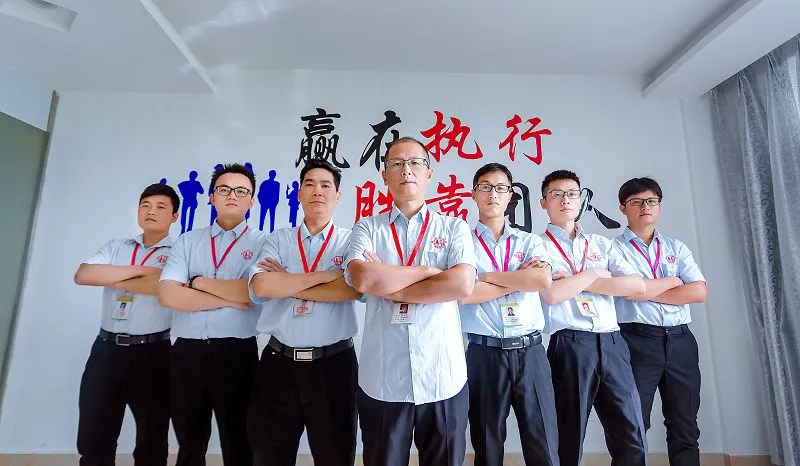
Shangrao Jiangxin Boiler Co., Ltd. is located in Shangrao Economic and Technological Development Zone, the company covers an area of 85,000 square meters, the total construction area of 110,000 square meters, the existing staff of 300 people, including R & D design personnel 26 people, is a set of boiler design, manufacturing, processing, sales, installation and service as one of the professional boiler manufacturing enterprises with B-class boiler manufacturing qualifications.
FAQ
We're professional boiler manufacturers and suppliers in China, specialized in providing high quality custom service. Please feel free to wholesale cheap boiler from our factory. For more information, contact us now.
capacity of oil steam boiler, steam generator importer, steam generator testing