Shangrao Jiangxin Boiler Co., Ltd. is located in Shangrao Economic and Technological Development Zone, the company covers an area of 85,000 square meters, the total construction area of 110,000 square meters, the existing staff of 300 people, including R & D design personnel 26 people, is a set of boiler design, manufacturing, processing, sales, installation and service as one of the professional boiler manufacturing enterprises with B-class boiler manufacturing qualifications. The company mainly manufactures, processes and sells boiler, steam generator and other series products; At present, there are five boiler series such as burning biomass boiler, oil boiler, gas boiler, electric heating steam generator, organic heat carrier furnace, more than 100 kinds of steam equipment, used in catering, hotels, cantons, bathing, food manufacturing, factories, etc., to meet the needs of various industries for steam supply, steam boiler series products have environmental protection, energy saving, high efficiency and other characteristics.
Why Choose Us
High Quality
More than 100 kinds of steam equipment, used in catering, hotels, cantons, bathing, food manufacturing, factories, etc.
Best Service
Shangrao Jiangxin Boiler Co., Ltd. is located in Shangrao Economic and Technological Development Zone, the company covers an area of 85,000 square m
24H Online Service
At present, there are five boiler series such as burning biomass boiler, oil boiler, gas boiler, electric heating steam generator, organic heat carrier furnace.
Professional Team
The company mainly manufactures, processes and sells boiler, steam generator and other series products.
Rich Experience
Including R & D design personnel 26 people, is a set of boiler design, manufacturing, processing, sales.
Quality Control
Have environmental protection, energy saving, high efficiency and other characteristics.
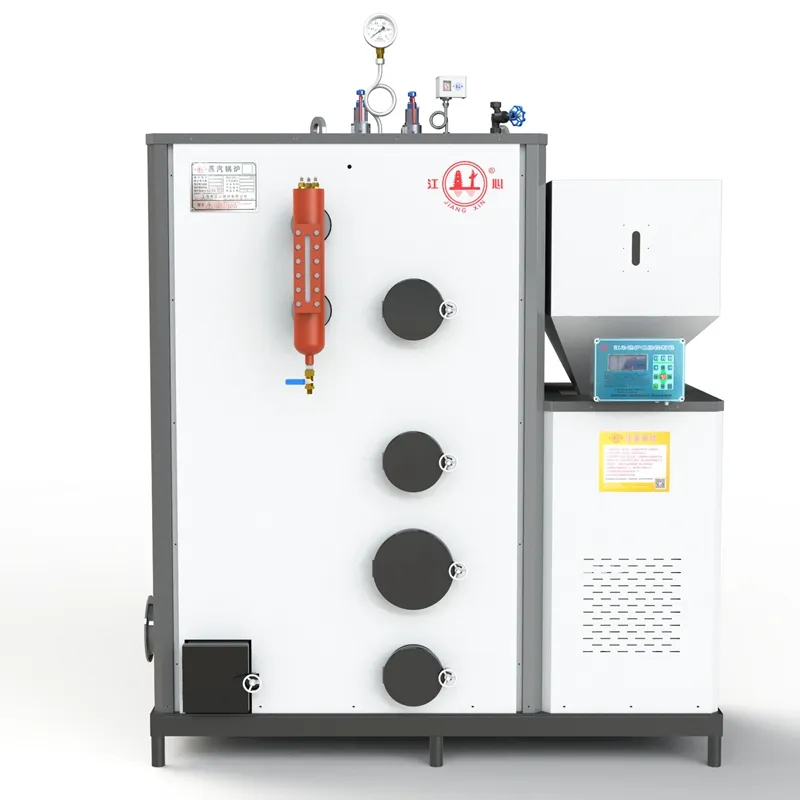
Our biomass steam generator is the ultimate choice for those seeking sustainability, efficiency, and versatility in steam production.

The steam boilers commercial is an important industrial equipment used to produce high-pressure steam, which is widely used in various commercial and industrial fields.

Our gas steam boilers are at the forefront of heating technology, offering unparalleled reliability and efficiency. Designed with advanced features and engineered to the highest industry standards, our boilers ensure consistent steam generation for residential, commercial, and industrial settings.

Welcome to our world of cutting-edge steam boilers powered by natural gas. As a leading manufacturer in the industry, we take pride in offering you a top-of-the-line solution that combines efficiency, reliability, and environmental sustainability.
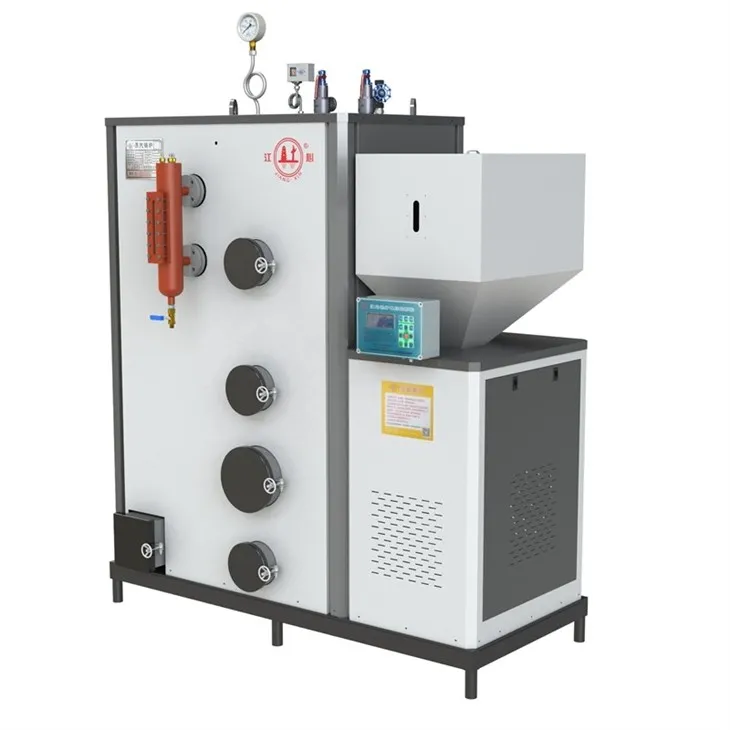
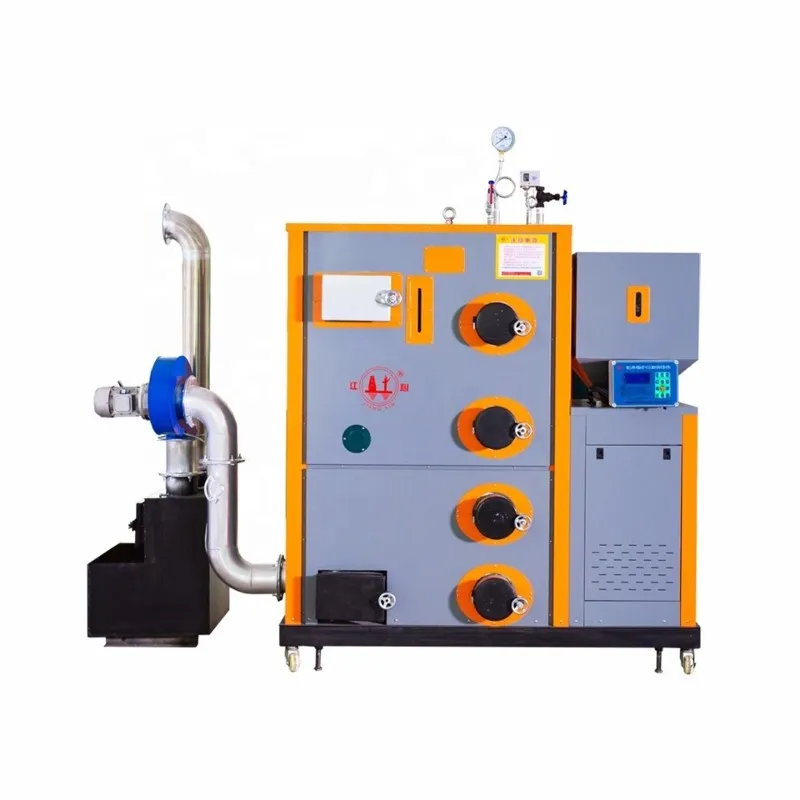
The biomass fuel boiler is the ultimate choice for those seeking sustainability, efficiency, and versatility in steam and heat generation.
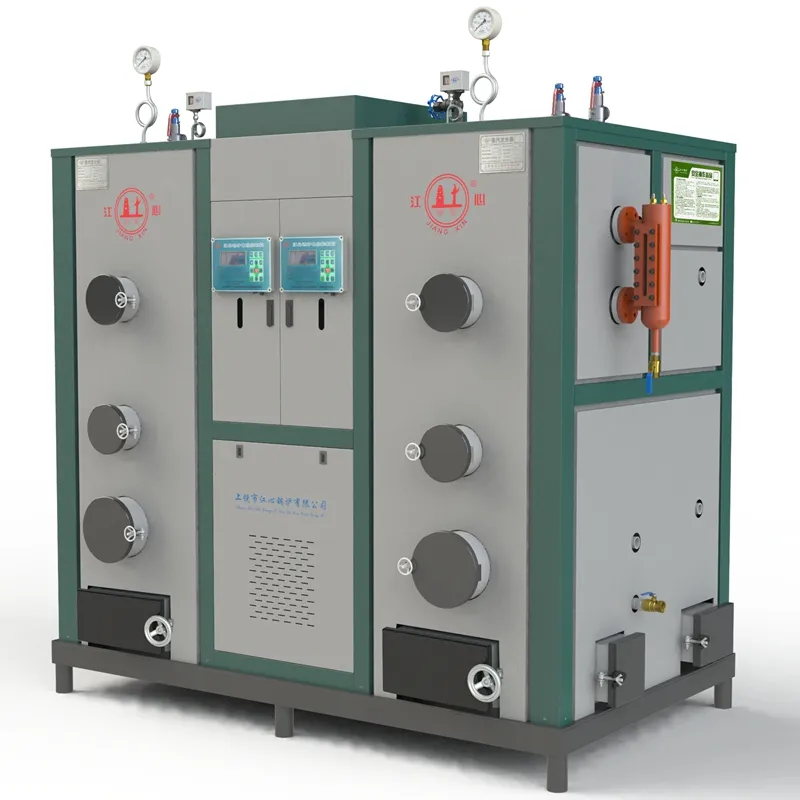
The 3-ton biomass boiler is the perfect choice for customers seeking a compact, yet powerful, solution for their steam and heat generation needs.

The biomass boiler is the ultimate choice for efficient and eco-friendly steam generation from biomass. With its cutting-edge technology and innovative design, it maximizes the utilization of renewable biomass resources, enabling clean and sustainable energy production.

Commercial Hot Water Boiler Heating Systems
A commercial hot water boiler heating system is a system that provides hot water and heating for commercial premises by converting energy into heat energy in an efficient and energy efficient manner to meet the hot water needs of the building.

The commercial combi boiler is a flexible and efficient heating system suitable for commercial and industrial environments, with a modular design that allows users to add or subtract boiler units according to demand.
Ateam generating boiler are vessels that produce steam by heating water using a combustion process or other heating methods. They are commonly found in power plants, heating systems, and industrial processes where a steady and continuous supply of steam is essential.
Steam boiler refers to boiler equipment that produces steam. It is a special equipment. Its design, production, delivery and installation must be subject to the supervision of the national technical supervision department. Users need to obtain a boiler use certificate to operate the boiler. Unlike normal pressure boilers, steam generating boiler must be accompanied by boiler procedures when leaving the factory. Boiler procedures include boiler body drawings, installation drawings, instrument valve drawings, pipeline drawings and inspection certificates.
Benefits of Steam Generating Boiler
One of the paramount advantages of modern steam generating boiler is their exceptional energy efficiency. These marvels of engineering are designed to convert water into steam in the most effective manner possible, ensuring that minimal energy is wasted in the process. The significance of this cannot be overstated in an era where energy costs are perpetually rising and environmental consciousness is at the forefront of industrial operations.
When it comes to industrial operations, reliability is non-negotiable. The durability and dependability of steam generating boiler are what make them indispensable in the manufacturing landscape. Constructed to withstand the rigors of continuous operation, these boilers are engineered with longevity in mind, using materials and designs that can endure the demands of high pressure and temperature.
The steam boiler is not just a workhorse; It is a chameleon, adapting to the diverse needs of various manufacturing processes. Its versatility lies in its ability to generate steam at different pressures and temperatures, making it suitable for a wide array of applications. From powering heavy machinery to providing precise temperature controls for delicate manufacturing processes, the steam boiler proves its indispensability at every turn.
In an era where environmental sustainability is not just a choice but a necessity, steam generating boiler have evolved to meet the challenge. Modern boilers are designed to minimize emissions, ensuring that industrial operations can comply with stringent environmental regulations. This is achieved through innovations in boiler design and the integration of emission reduction technologies like low NOx burners and flue gas recirculation.
Type of Steam Generating Boiler
Fire-Tube Boiler
In these boilers, hot gases pass through one or more tubes, which are surrounded by water. The heat from the gases is transferred through the walls of the tubes by thermal conduction, heating the water and ultimately creating steam.
Water-Tube Boiler
Water-tube boilers work in the opposite manner of fire-tube boilers. Water flows through tubes that are exposed to hot gases on the outside. This design allows water-tube boilers to generate steam at higher pressures and rates than fire-tube boilers.
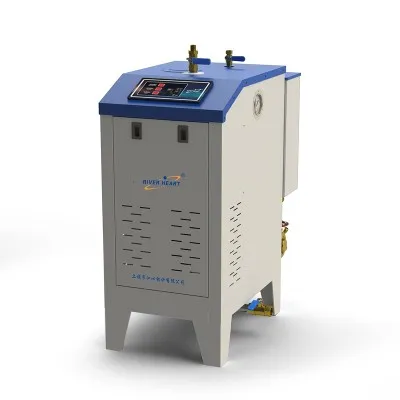
Electric Boiler
These use electricity to heat the water. They are often used in places where combustion of fuels is not viable or desired. Although they are more environmentally friendly, they tend to be more expensive in areas where electricity is costly.
Condensing Boiler
A condensing boiler is designed to recover energy that would otherwise be dispersed out of the stack as waste heat. It does this by condensing water vapor in the exhaust gases and recovering its latent heat, which is used to preheat the incoming cold water. This efficiency can drastically cut fuel costs and is also more environmentally friendly.
Application of Steam Generating Boiler
Electrical generation
Steam boilers can efficiently convert thermal energy into electrical energy. First, the boiler uses the thermal energy from the combustion chamber to evaporate water into steam. Next, it builds pressure and turns turbine blades, causing the shaft to rotate, generating mechanical energy. Finally, the rotating shaft connects to an electric generator which converts the mechanical energy into electricity. This can be done at an individual scale to offset the energy costs of an industrial or manufacturing facility or at a large scale.
Food and beverage
Food and beverage facilities are a prevalent industry that requires steam boilers. Because of the potential for cross-contamination and food-borne illness, a boiler must be able to generate high-temperature water and steam for sanitation in restaurants and food production facilities. Tools, surfaces, and even produce are either steam cleaned or wiped down with hot water to sanitize and eliminate bacteria and food-borne pathogens.
Agriculture
One of the unique applications for steam boilers is in the agricultural industry. Like the food and beverage industry, steam and hot water can sanitize the tools that harvest produce and tend to crops. Additionally, an application unique to agriculture is soil steaming.
Chemical processing
Steam heats and cools reactors for chemical processing to specific temperatures for catalyzing reactions. Depending on the type of reaction, volumes of steam output may fluctuate widely day to day or even hour to hour. Therefore, boilers used in this industry must operate in this cyclical manner efficiently without wasting steam or fuel.
Textile manufacturing
Steam is essential throughout the textile manufacturing process. The first is pre-treatment, where hot steam is used on raw materials or fabrics to remove dirt and other impurities that would otherwise impact the quality of the textile. During the dyeing stage, precisely controlled steam provides the correct amount of heat and moisture necessary for each unique fabric to accept the dye optimally. Steam removes wrinkles in the fabric during the finishing step to prepare it for presentation. Large-scale steaming is a much more efficient method of wrinkle removal than the use of a traditional iron or heat alone.
The key steps in the steam generation within a typical boiler can be described as follows:
Heating
Heat is generated by burning fuel, which may be solid, liquid, or gas, or through electric coils. This heat raises the temperature of water inside the boiler.
Evaporation
As the water heats up, it reaches the boiling point and starts to convert into steam. Depending on the boiler pressure, the boiling point of water can be higher than the standard 100 degrees Celsius at atmospheric pressure.
Superheating
In some boilers, once the steam is formed it may further pass through a superheater, which raises the temperature of the steam beyond the boiling point. This superheated steam is particularly useful in powering turbines as it holds more energy and can exert greater pressure on turbine blades.
Separation
Finally, steam is separated from water in a steam drum, and the saturated (wet) steam is further superheated before being piped out for industrial use.
Steam Generating Boiler Components
Boiler Feed System
A boiler feed system is a large tank that collects the condensate return and fresh makeup water for the system. The tank will have one or several pumps that feed the water to the boiler when the water level drops inside the boiler as sensed by a level control located on the boiler.
Burner
The burner is the key equipment component for combustion control systems, providing the heat required for a boiler to convert water into steam. Ideally, a burner should achieve the highest degree of combustion efficiency with the lowest possible excess air. A burner provides a basic function with a simple concept: it mixes fuel and air together to create combustion. Burners can be fired on various types of fuel but the most common utilized are natural gas, oil, propane and coal. In recent years, facilities have moved away from the use of coal to a more efficient and cleaner fuel like natural gas.
Valves
Saturated steam is used in a brewery at various pressures dependent upon the individual requirements of the different processes. Steam should be generated at the highest possible pressure and then reduced to meet the process requirements.
Accumulator
A steam accumulator is an insulated steel pressure tank containing hot water and steam under pressure that can be released when demand is higher than the capacity of the boiler system. They allow a plant with a low load demand to inject surplus steam into a large amount of water which is under pressure. Over time, the stored water increases in temperature and pressure until it achieves the saturation temperature for the operating pressure of the boiler.
Deaerators
Deaerators are used in applications to reduce corrosion and extend the life of a steam-generating boiler. A deaerator achieves this task by reducing the level of dissolved oxygen and carbon dioxide in the feedwater, which in turn reduces the amount of corrosive compounds within the steam system over time.
Economizer
An economizer is a heat transfer product that will remove heat from the flue gas and add it to the incoming feedwater. Economizers typically are cost effective because they use extended heat transfer surface. Instead of just a bare tube like the boiler, it has a coil attached to the outside of the tube, increasing the surface area and heat transfer surface with only minimal space and tubing increase.
Control Panel
Boiler controls help produce hot water or steam in a regulated, efficient, and safe manner. Combustion and operating controls regulate the rate of fuel use to meet the demand. The main operating control monitors hot water temperature or steam pressure and sends a signal to control the firing rate, the rate at which fuel and air enters the burner. Common burner firing sequences include on/off, high/low/off and modulating.
Combustion Chamber
The combustion chamber contains the reaction of the fuel with air and uses it to create the heat to produce steam. To enhance the efficiency of the combustion chamber, it needs to be adequately insulated to avoid loss of heat through radiation.
Boiler Level Gauge
Although a boiler level gauge does not control anything, it does tell an operator immediately if the situation is normal or unsafe such that action is required. The American Society of Mechanical Engineers is definitive on the use of level gauges as a direct reading method to determine boiler drum level.
Exhaust Stack
The exhaust stack or flue is the piping that conveys the hot combustion gases away from the boiler to the outside. Typically, this piping is made of steel, but in the case of condensing boilers it needs to be constructed of stainless steel to handle the corrosive condensate.
Blowdown Tank or Cooler
A steam generating boiler will require regular blow downs to remove undesirable items in the boiler such as solids or oils and to test the low water cutoffs. The International Plumbing Code 701.7 states the boiler blow off temperature must be below 60 degrees C (140°F). By allowing the hot condensate to enter the drain pipes, it could warp or destroy the piping.
Maintaining Your Steam Generating Boiler
Read the owner's manual for the equipment
One maintenance tip that is often overlooked is ensuring you have read the manufacturing manual for the equipment you have purchased and installed. Paying attention to any specific instructions from the manufacturer and clarifying any questions you have with your steam generating boiler installers can go a long way. Having a holistic understanding of your unique boiler is important to ensure you're not only maintaining and servicing it properly but also using it the right way to reduce the chances of malfunction or breakdown.
Monitor water quality and maintain proper water treatment processes
Although steam generating boilers are made of durable materials, corrosion and damage can happen to your boiler if the water flowing through your machine is not properly treated. Water that comes through your steam generating boiler contains impurities that can produce a hard scale that latches onto the metal and tubes of your boiler. This deposit build-up reduces heat transfer and causes corrosion – Both of which will reduce the efficiency of your steam generating boiler and increase running costs. Ensuring the water inside your boiler receives chemical treatment can prevent non-condensable gases from getting inside the boiler and wreaking havoc.
Have a maintenance schedule and checklist
The best way to keep your units running optimally and avoid repairs is to continually monitor them and schedule boiler maintenance in advance. Your steam generating boilers should be regularly inspected by professionals for safety and identification of any weaknesses. Regular inspections can also identify areas of corrosion and threats of oxygen pitting.
Our Factory
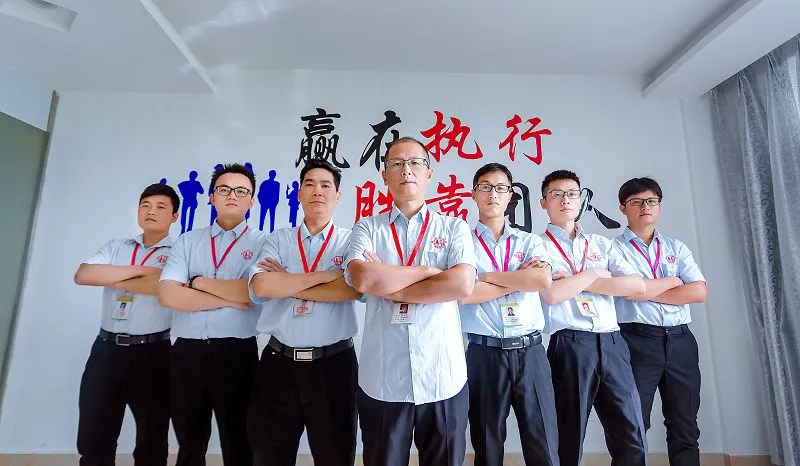
Shangrao Jiangxin Boiler Co., Ltd. is located in Shangrao Economic and Technological Development Zone, the company covers an area of 85,000 square meters, the total construction area of 110,000 square meters, the existing staff of 300 people, including R & D design personnel 26 people, is a set of boiler design, manufacturing, processing, sales, installation and service as one of the professional boiler manufacturing enterprises with B-class boiler manufacturing qualifications.
FAQ
Hot Tags: steam generating boiler, China steam generating boiler manufacturers, suppliers, factory, use in food processing of oil steam boiler, use in heating system of oil steam boiler, steam generator for laundry, large steam generator, use in industry of oil steam boiler, light oil steam boiler