


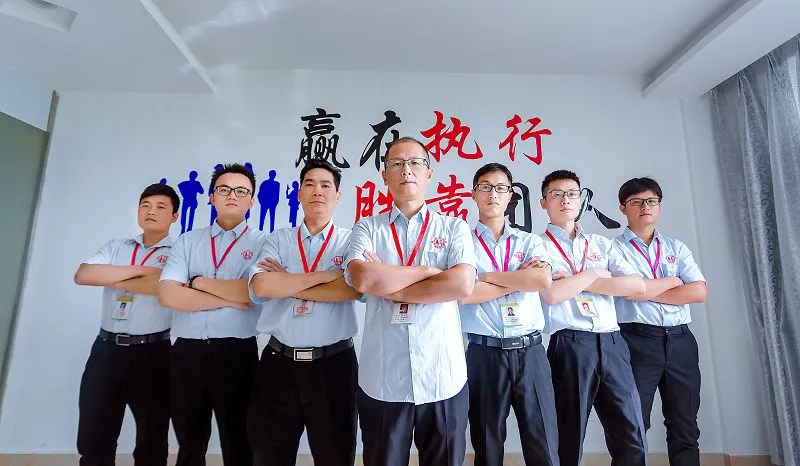
Shangrao Jiangxin Boiler Co., Ltd. is located in Shangrao Economic and Technological Development Zone, the company covers an area of 85,000 square meters, the total construction area of 110,000 square meters, the existing staff of 300 people, including R & D design personnel 26 people, is a set of boiler design, manufacturing, processing, sales, installation and service as one of the professional boiler manufacturing enterprises with B-class boiler manufacturing qualifications. The company mainly manufactures, processes and sells boiler, steam generator and other series products; At present, there are five boiler series such as burning biomass boiler, oil boiler, gas boiler, electric heating steam generator, organic heat carrier furnace, more than 100 kinds of steam equipment, used in catering, hotels, cantons, bathing, food manufacturing, factories, etc., to meet the needs of various industries for steam supply, steam boiler series products have environmental protection, energy saving, high efficiency and other characteristics.
Why Choose Us
High Quality
More than 100 kinds of steam equipment, used in catering, hotels, cantons, bathing, food manufacturing, factories, etc.
Best Service
Shangrao Jiangxin Boiler Co., Ltd. is located in Shangrao Economic and Technological Development Zone, the company covers an area of 85,000 square m
24H Online Service
At present, there are five boiler series such as burning biomass boiler, oil boiler, gas boiler, electric heating steam generator, organic heat carrier furnace.
Professional Team
The company mainly manufactures, processes and sells boiler, steam generator and other series products.
Rich Experience
Including R & D design personnel 26 people, is a set of boiler design, manufacturing, processing, sales.
Quality Control
Have environmental protection, energy saving, high efficiency and other characteristics.

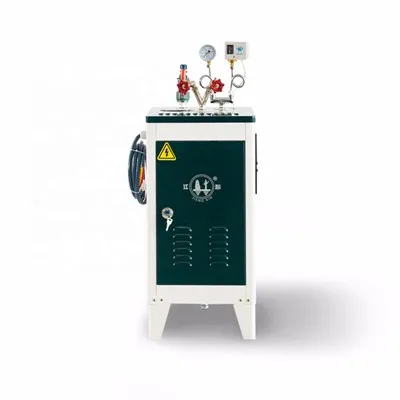


A steam generation is an equipment that produces steam by heating water. It is used in a number of different industries and processes, including the power industry, the chemical industry, food processing, and the metalworking industry.
A steam generator is a device that helps to heat water for various industrial purposes. Steam generators are most often used in power plants where they produce steam for use in turbines to generate electricity. They are also used in other industries such as chemical companies, food processing plants and metalworking facilities.
Efficient Cleaning
Steam generators provide efficient and effective cleaning without the need for harsh chemicals. Vapor cleaning is a natural and eco-friendly way to clean various surfaces, including floors, carpets, and upholstery. The high-temperature vapor can penetrate deep into surfaces, removing dirt and stains without leaving any harmful chemicals.
Sterilization
Generators are also effective for sterilization. The high temperature of steam can kill harmful bacteria and viruses, making it a useful tool for disinfecting medical instruments, kitchen utensils, and other objects that require sterilization.
Humidification
Steam generators can also be used for humidification. In dry climates, where there is a shortage of moisture in the air, a generator can help add moisture to the environment. This is especially useful during the winter months when the air tends to be drier.
Cost-Effective
Generators can be a cost-effective solution for a variety of applications. They eliminate the need for harsh chemicals, reducing the cost of cleaning supplies. Additionally, they are designed to last a long time, making them a worthwhile investment.
Energy-Efficient
Vapor generators are energy-efficient and require less energy to produce a large amount of steam compared to traditional boilers. This makes them environmentally friendly and can help reduce energy costs over time.
A steam generator converts incoming purified water into clean steam using utility steam on the other side of the generator as the heating medium. The utility steam and the clean steam never mix. The resulting clean steam relies on the quality of water being fed into the system. However, contaminants that do happen to get into the system can be removed by various methods.
The feedwater is pumped into the industrial steam generator system at higher pressure than the required clean steam pressure in order to provide the temperature differential for heat transfer. It’s important that any surfaces that come into contact with the water be made of stainless steel to maintain steam quality.
The water source for steam generation must be virtually free of impurities.Steam generation must meet very strict requirements for critical applications in industries that rely on sterile environments and equipment. It’s easy to assume that steam from boiled water is clean and pure, but the standards for “clean” water for certain uses —Especially pharmaceutical applications— are exceptionally high.


To maintain the purity of the steam generated, small traces of contamination must be captured. For that purpose, there are water treatment systems that use fine, semi-permeable membranes to physically remove contaminants in the system.
This pre-treatment removes contaminants in the feedwater and helps ensure clean steam is absolutely pure. Conventional water vapor is sometimes referred to as "dirty steam" because it contains high levels of carbon dioxide and other contaminants like sulphur dioxide. Water quality can also be ensured by controlling the amount of carbon dioxide, carbon monoxide, and activated carbon in the water, as well as other factors.
For less maintenance, high quality steam generators are designed to produce a centrifugal force in the separator which propels entrained droplets to the wall of the separator thus producing an effective separation of impurities. No internal components such as vanes, demisters, or baffles are needed to provide the necessary 3 log separation ratio.
Type of Steam Generator
Watertube
In this arrangement, tubes contain steam, water or both, while the products of combustion pass around the outside of tubes. These often have multiple sets of drums, and because they use relatively little water, these boilers offer unusually fast steaming capabilities.
Condensing
Condensing boilers can reach thermal efficiency levels of to 98 percent, compared to 70 to 80 percent attainable using standard boiler designs. Typical efficiency levels reach about 90 percent when the return water temperature is at 110 F or lower, and rise with decreasing water-return temperature thereafter.
Flexible watertube (flextube)
This construction is particularly resistant to "heat shock," making it a natural option for heating uses. Flexible watertube boilers come in a wide range of fuel inputs and are well-suited for low-pressure applications using either steam or hot water. (Not all "boilers" actually boil water!) These are also quite easy to maintain, with easy access to their working parts from the outside.
Electric
These boilers are famously low-impact: clean, quiet, easy to install, and small in relation to their utility. Because nothing is actually burned (that is, there is no flame to worry about), electric boilers are marvelously simple. There are no fuels or fuel handling equipment in the mix, and hence no exhaust and no need for associated pipes and ports. In addition, these have heating elements that are easy to replace.
Heat recovery steam generator (HRSG)
This is an innovative energy-recovery "heat exchanger" that recovers heat from a stream of hot gas passing by. These create steam that can be used to drive a particular a process or used to drive a steam turbine to power electricity generation using an electromagnet. HRSGs are built on a foundation of three primary components – An evaporator, a superheater and an economizer.
Application of Steam Generator
Steam generators are commonly used for commercial and industrial cleaning purposes. They can be found in commercial kitchens, hospitals, and factories, among other settings. Vapor generators are effective in removing dirt, grime, and grease, making them essential for cleaning large and complex machines and equipment.
In residential settings, generators are useful tools for cleaning carpets, floors, and upholstery. The high-temperature vapor can penetrate deep into surfaces, removing dirt and stains without leaving behind harmful chemicals.
Steam generators are also used for sterilization in medical settings. They can be used to disinfect surfaces and equipment, making them a vital tool in hospitals and clinics.
Vapor generators are used in the food processing industry to eliminate harmful bacteria and viruses. They are designed to meet strict hygiene and safety standards, making them essential for food processing facilities.
Vapor generators are also used for humidification in residential and commercial settings. They can help maintain optimal humidity levels, which can prevent dry skin, respiratory issues, and other health problems.
Design of Steam Generator
To increase the amount of heat transferred and the power generated, the heat exchange surface must be maximalized. This is obtained by using tubes. Each steam generator can contain anywhere from 3,000 to 16,000 tubes, each about 19mm diameter.While the secondary fluid is always water, the reactor coolant (carbon dioxide, sodium, helium) depends on the reactor type. Where the coolant is pressurized water, two solutions have been adopted. In the first of these, the secondary water flows through straight tubes welded to tubesheets at both ends. This is the “once-through” type of steam generator. To eliminate the loads exerted on the tubesheets by differential thermal expansion between outside shell and the tubes, a second solutions is often employed. This alternative gives acope for thermal expansion by using U-tubes welded to a single tubesheet. The tubes carry the pressurized primary coolant and are surrounded by the secondary water, which is turned into steam.
There are two designes for U-tubes steam generators. Design with tube bundle arranged vertically and design with tube bundle arranged horizontally. Horizontal steam generators are used in the VVER type reactors. In commercial power plants, there are 2 to 6 steam generators per reactor; each steam generator (vertical design) can measure up to 70 feet (~21m) in height and weigh as much as 800 tons.
The materials that make up the steam generators and tubes are specially made and specifically designed to withstand the heat, high pressure and radiation. The water tubes also have to be able to resist corrosion from water for an extended period of time.
Maintenance Tips For a Steam Generator
Install an auto flush system
After each usage, flushing your steam room generator is the best way to ensure years of trouble-free fun.Minerals in your water might transform into calcium and impair performance if they aren't cleaned out of the generator regularly. When they do, they create a barrier between your generator and the heat source, requiring it to work more (and take more energy) to maintain the same temperature.
Perform a manual cleaning of your steam generator
Clean steam is devoid of any additions, contaminants, or other things that might threaten a completed product's sterility. Specialized equipment that warms cleansed water produces clean steam for commercial uses. The equipment for clean steam generators is often made of stainless steel to ensure a high-quality, corrosion-resistant system.
Check seals and joints for tightness
At least once a year, you should inspect the silicone seals, water supply joints, valves, and nozzles in your steam sauna bath. Replace the silicone seals if they are loose. It's simple to seal the doors and walls. You can use the most basic plumbing abilities to tighten or repair nozzles, couplings, and drainage systems.
Inspect your equipment on a regular basis
Inspections for planned maintenance are an important aspect of the preventative maintenance strategy. It's a good idea to start doing service checks based on real usage.
You may only use the steam generator once a week. In this situation, the unit will only encounter about 50 cycles per year and will not need to be inspected annually. However, a quarterly inspection is definitely the best option if you operate it more frequently.
Our Factory
Shangrao Jiangxin Boiler Co., Ltd. is located in Shangrao Economic and Technological Development Zone, the company covers an area of 85,000 square meters, the total construction area of 110,000 square meters, the existing staff of 300 people, including R & D design personnel 26 people, is a set of boiler design, manufacturing, processing, sales, installation and service as one of the professional boiler manufacturing enterprises with B-class boiler manufacturing qualifications.
FAQ
We're professional steam generator manufacturers and suppliers in China, specialized in providing high quality custom service. Please feel free to wholesale cheap steam generator from our factory. For more information, contact us now.
automatic steam generator, steam generator for humidification, steam generator wholesaler