


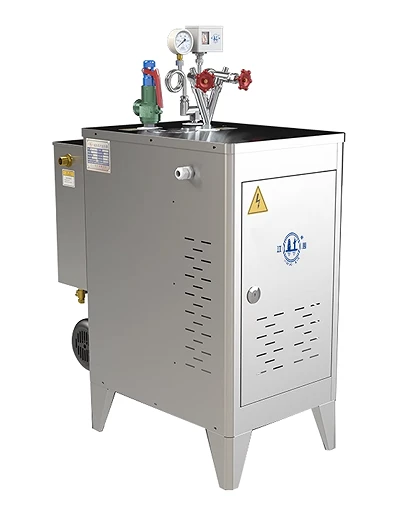
A steam generator is the heart of any plant that relies on process steam. Its reliability and lifetime are dictated almost entirely by two factors: the quality of the feed-water and the material from which the vessel is built. Poor water will scale, corrode and eventually destroy even the best-made boiler, while the wrong choice of steel can force you into expensive water-treatment regimes or premature replacement.
This article explains the link between water chemistry, material selection and day-to-day maintenance, and shows how to make all three work together so your generator lasts as long-and costs as little-as possible.
1. Water Quality: The Silent Killer
1.1 What goes wrong when water is left untreated
• Scale: 1 mm of calcium-magnesium carbonate increases fuel consumption by 10 %; 3 mm cuts thermal efficiency by 25 %.
• Corrosion: Feed-water with pH < 8 or high dissolved oxygen attacks carbon steel, especially in heat-affected weld zones, raising the risk of catastrophic tube rupture.
• Creeping inefficiency: Scale acts as an insulator, forcing the burner to run longer and hotter, accelerating metal fatigue.
1.2 Water specifications that matter
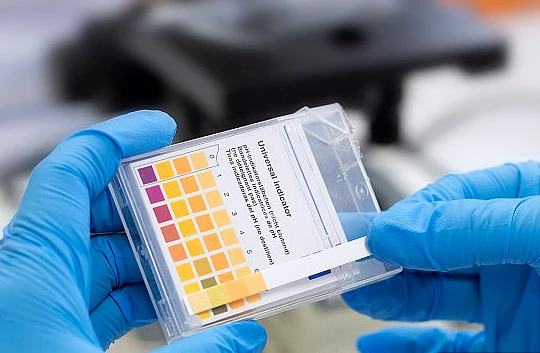
• Alkalinity & pH
– Total alkalinity: 8.0–26.0 mmol/L
– Phenolphthalein alkalinity: 6.0–18.0 mmol/L
– pH @ 25 °C: 10.0–12.0 (keeps steel passive and minimizes corrosion products)
• Conductivity & dissolved solids
– Conductivity ≤ 8 000 µS/cm @ 25 °C
– Total dissolved solids ≤ 5 000 mg/L
• Chemical conditioners
– PO₄³⁻: 10–50 mg/L (forms a protective phosphate film)
– NO₂⁻: 10–30 mg/L (acts as an anodic corrosion inhibitor)
2. Material Choice: Carbon Steel vs. Stainless Steel
Carbon Steel Stainless Steel
Up-front cost Low 50–100 % higher
Corrosion rate High if water acidic <0.002 mm/year (typ.)
Water tolerance Hardness ≤0.03 mmol/L Hardness ≤1.0 mmol/L
Chloride limit <30 mg/L <50 mg/L (to avoid pitting)
Maintenance Monthly wall-thickness Focus on weld inspection
Rule of thumb
If you can guarantee ultra-soft water (RO permeate or better), carbon steel is economical. In all other situations-especially where raw water hardness is above 0.5 mmol/L-stainless steel gives the lower life-cycle cost (LCC) even though the purchase price is higher.
3.Maintenance: Make Water and Material Work Together
3.1 Pre-treatment
Install a reverse-osmosis (RO) or ion-exchange softener that delivers:
• Conductivity < 10 µS/cm
• Hardness ≈ 0 mmol/L
Never feed the generator directly with municipal, well or surface water unless daily blow-down is strictly enforced.
3.2 Real-time monitoring
Fit online conductivity meters on both inlet and outlet lines; set an alarm at 50 µS/cm and interlock to shut the burner. Cross-check weekly with drop-test kits to confirm accuracy.
3.3 Blow-down & cleaning
• Manual blow-down: every shift, per manufacturer's manual.
• Chemical cleaning: annual citric-acid circulation removes any scale that has started to form.
3.4 Material-specific inspections
• Carbon steel: ultrasonic thickness gauge every month; replace tubes when corrosion exceeds 0.2 mm/year.
• Stainless steel: dye-penetrant or eddy-current test of welds every six months; look for chloride-induced stress-corrosion cracking.
Build a daily water-check routine, match the material to the water you can realistically produce, and choose vendors (e.g., Jiangxin Boiler, Shangrao) who offer lifetime technical support. Do this and a well-designed steam generator can run for 20 years instead of 5-saving fuel, downtime and capital along the way.


