Can a boiler be used for central heating only? This is a question that many homeowners, building managers, and potential buyers often ask. As a boiler supplier, I've encountered this query numerous times, and I'm here to provide a comprehensive answer based on my years of experience in the industry.
Understanding the Basics of Boilers
Before delving into whether a boiler can be used solely for central heating, it's essential to understand what a boiler is and how it works. A boiler is a closed vessel in which water or other fluid is heated. The heated or vaporized fluid exits the boiler for use in various processes or heating applications. Boilers come in different types, including gas boilers, oil boilers, electric boilers, and biomass boilers, each with its own set of advantages and limitations.
The primary function of a boiler is to generate heat. This heat can be used in multiple ways, such as heating water for domestic use, producing steam for industrial processes, or providing warmth for central heating systems. Central heating systems distribute heat throughout a building via a network of pipes and radiators or underfloor heating systems.
Can a Boiler Be Used for Central Heating Only?
The short answer is yes, a boiler can be used for central heating only. In fact, many residential and commercial buildings rely on boilers specifically for central heating purposes. When a boiler is used solely for central heating, it is designed to heat water to a specific temperature and circulate it through the heating system. This heated water then releases heat into the rooms via radiators or underfloor heating, maintaining a comfortable temperature throughout the building.
There are several reasons why someone might choose to use a boiler exclusively for central heating: 1. Energy Efficiency: Modern boilers are highly efficient when it comes to central heating. They can be programmed to operate at optimal temperatures, reducing energy consumption and lowering utility bills. For example, condensing boilers can recover heat from the flue gases, increasing their efficiency and making them an excellent choice for central heating systems. 2. Comfort: Central heating systems powered by boilers provide consistent and even heat distribution. Unlike some other heating methods, such as space heaters, which can create hot and cold spots, a well-designed central heating system ensures that every room in the building remains warm and comfortable. 3. Reliability: Boilers are known for their reliability. With proper maintenance, a boiler can last for many years, providing continuous and dependable heating for your home or business. This is particularly important in colder climates where reliable heating is essential for comfort and safety.
Advantages of Using a Boiler for Central Heating
In addition to the reasons mentioned above, there are several other advantages to using a boiler for central heating: 1. Flexibility: Boilers can be used with different types of central heating systems, including radiators and underfloor heating. This allows you to choose the heating system that best suits your needs and preferences. For example, underfloor heating is a popular choice for modern homes as it provides a more comfortable and energy-efficient heating solution. 2. Zoning: Many boilers can be integrated with zoning systems, which allow you to control the temperature in different areas of your building independently. This can help you save energy by only heating the areas that are in use. For instance, you can set the temperature in your living room to a comfortable level while keeping the temperature in your guest rooms lower when they are not being used. 3. Compatibility with Renewable Energy Sources: Some boilers can be used in conjunction with renewable energy sources, such as solar panels or heat pumps. This can further reduce your carbon footprint and energy costs. For example, a boiler can be used as a backup heating source for a solar thermal system, ensuring that you have a reliable supply of heat even on cloudy days.
Considerations When Using a Boiler for Central Heating
While using a boiler for central heating has many advantages, there are also some considerations to keep in mind: 1. Installation and Maintenance: Installing a boiler requires professional expertise. It's important to hire a qualified installer to ensure that the boiler is installed correctly and safely. Additionally, regular maintenance is essential to keep the boiler running efficiently and to prevent breakdowns. This includes annual servicing, checking the pressure, and inspecting the components for wear and tear. 2. Fuel Type: The type of fuel used by the boiler can have a significant impact on its performance, efficiency, and cost. Gas boilers are the most common type of boiler used for central heating in many countries due to their relatively low cost and high efficiency. However, oil boilers are a good option in areas where gas is not available. Electric boilers are also available, but they can be more expensive to operate. 3. Size and Capacity: Choosing the right size and capacity of the boiler is crucial for efficient central heating. A boiler that is too small will not be able to provide enough heat, while a boiler that is too large will waste energy. It's important to have a professional perform a heat load calculation to determine the appropriate size of the boiler for your building.
Our Boiler Solutions for Central Heating
As a boiler supplier, we offer a wide range of boilers that are specifically designed for central heating. Our boilers are energy-efficient, reliable, and easy to operate, making them the perfect choice for both residential and commercial applications.

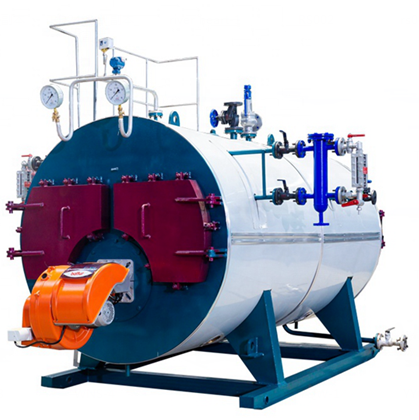
One of our popular products is the Oil Steam Boiler. This boiler is known for its high efficiency and reliable performance. It uses oil as a fuel source, making it a suitable option for areas where gas is not available. The oil steam boiler is designed to produce high-quality steam, which can be used for central heating or other industrial processes.
Another innovative solution we offer is the A New Engine For The Double Upgrade Of Efficiency And Hygiene In Poultry Slaughterhouses. While this product is specifically designed for poultry slaughterhouses, it also has applications in other industries where high-efficiency heating and hygiene are important. The boiler uses advanced technology to improve efficiency and reduce emissions, making it an environmentally friendly choice.
Conclusion
In conclusion, a boiler can definitely be used for central heating only. It offers numerous advantages, including energy efficiency, comfort, reliability, and flexibility. However, it's important to consider factors such as installation, maintenance, fuel type, and size when choosing a boiler for your central heating system.
If you're interested in learning more about our boiler solutions for central heating or have any questions, please don't hesitate to contact us. Our team of experts is ready to assist you in finding the perfect boiler for your needs. We look forward to the opportunity to work with you and help you achieve a comfortable and energy-efficient heating solution for your home or business.
References
- ASHRAE Handbook of Heating, Ventilating, and Air Conditioning Systems and Equipment.
- Boiler and Pressure Vessel Code, American Society of Mechanical Engineers (ASME).
- Energy Star: Energy-Efficient Heating and Cooling Equipment.